Exploring the Science of AOD 9604 Peptide Applications

The world of peptide research is expanding rapidly, and one peptide that has caught the attention of many scientific researchers and laboratories is AOD 9604. This peptide, derived from a fragment of human growth hormone, has been studied for its potential in various applications, particularly in metabolic and weight management research. Today, we will explore the science behind AOD 9604, its applications, and what current research reveals about its effectiveness.
Understanding AOD 9604 Peptide Applications
AOD 9604 is a modified peptide fragment consisting of amino acids 176-191 of the human growth hormone (HGH). Unlike the full HGH molecule, AOD 9604 is designed to target fat metabolism without affecting blood sugar levels or growth hormone activity. This specificity makes it an intriguing candidate for researchers focused on obesity, metabolic disorders, and related conditions.
The peptide works by stimulating lipolysis, the breakdown of fat cells, and inhibiting lipogenesis, the formation of new fat. This dual action suggests that AOD 9604 could help reduce fat accumulation while promoting fat loss. Because of these properties, it has been explored in various experimental settings, including animal studies and early-stage human trials.
Some of the key applications being investigated include:
Weight management and obesity treatment: Researchers are examining how AOD 9604 might assist in reducing body fat in overweight subjects.
Metabolic health improvement: The peptide’s potential to improve lipid profiles and insulin sensitivity is under study.
Cartilage repair and joint health: Preliminary research suggests AOD 9604 may support cartilage regeneration, which could benefit osteoarthritis research.

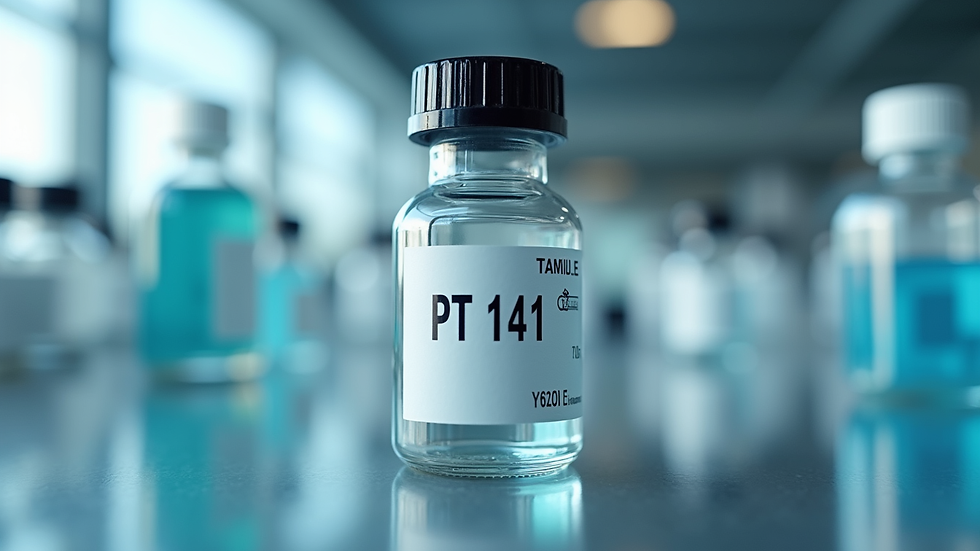
Close-up view of laboratory vial containing peptide solution
The Science Behind AOD 9604’s Mechanism of Action
To appreciate the potential of AOD 9604, it’s important to understand how it functions at the molecular level. The peptide mimics the fat-reducing effects of the human growth hormone but without the adverse effects related to HGH therapy, such as increased blood sugar or growth stimulation.
AOD 9604 binds to specific receptors on fat cells, activating enzymes that break down triglycerides into free fatty acids and glycerol. This process, called lipolysis, releases stored fat to be used as energy. Simultaneously, it inhibits enzymes responsible for lipogenesis, preventing the creation of new fat stores.
This selective action is crucial because it allows the peptide to target fat metabolism without influencing other HGH pathways, which can lead to unwanted side effects. The specificity also makes AOD 9604 a valuable tool for researchers aiming to develop safer metabolic therapies.
In addition, studies have shown that AOD 9604 has a favorable safety profile in animal models, with no significant impact on blood glucose or growth hormone levels. This safety aspect is vital for ongoing research and potential clinical applications.
Does AOD-9604 Really Work?
One of the most common questions in peptide research is whether AOD 9604 delivers on its promises. The answer is nuanced and depends on the context of the studies conducted.
Animal studies have consistently demonstrated that AOD 9604 can reduce fat mass and improve metabolic markers. For example, in rodent models fed a high-fat diet, treatment with AOD 9604 led to significant reductions in body weight and fat accumulation compared to controls.
Human clinical trials, while more limited, have shown promising results as well. Some studies report modest reductions in body fat and improvements in lipid profiles after AOD 9604 administration. However, these trials often involve small sample sizes and short durations, which means more extensive research is needed to confirm efficacy and optimal dosing.
It is also important to note that AOD 9604 is not a magic bullet. Its effectiveness may depend on factors such as diet, exercise, and individual metabolic differences. Researchers emphasize that AOD 9604 should be viewed as a potential adjunct to lifestyle interventions rather than a standalone solution.

Eye-level view of scientific researcher examining peptide samples under microscope
Practical Considerations for Research and Innovation
For laboratories and innovators interested in exploring AOD 9604, several practical points should be considered:
Source and purity: Ensure peptides are sourced from reputable suppliers who provide rigorous testing and quality assurance. Purity and consistency are critical for reliable research outcomes.
Dosing and administration: Research protocols vary, but typical doses in studies range around 5mg per administration. Understanding pharmacokinetics and optimal delivery methods is essential.
Regulatory compliance: Peptide research must adhere to local and international regulations. Ethical approval and proper documentation are necessary for clinical studies.
Combination with other interventions: Investigate how AOD 9604 interacts with diet, exercise, and other metabolic agents to maximize potential benefits.
Data collection and analysis: Employ robust methods for measuring fat loss, metabolic changes, and safety parameters to build a comprehensive understanding of the peptide’s effects.
By focusing on these areas, researchers can contribute valuable insights to the growing body of knowledge surrounding AOD 9604 and its applications.
Looking Ahead: The Future of AOD 9604 Research
The journey of AOD 9604 from a peptide fragment to a promising research tool highlights the exciting possibilities in peptide science. As more laboratories engage in aod 9604 5mg research, we can expect a clearer picture of its potential benefits and limitations.
Future studies will likely explore:
Long-term safety and efficacy in diverse populations
Mechanistic insights into how AOD 9604 influences metabolic pathways
Potential therapeutic roles beyond fat metabolism, such as tissue repair and anti-inflammatory effects
Synergistic effects with other peptides or pharmaceuticals
The ongoing commitment to transparency, rigorous testing, and shared knowledge will be key to unlocking the full potential of AOD 9604. By fostering collaboration and innovation, the scientific community can pave the way for new metabolic therapies that are both effective and safe.
Exploring the science of AOD 9604 peptide applications reveals a promising avenue for metabolic research. With careful study and responsible innovation, this peptide could become a valuable tool in addressing some of the most pressing health challenges related to obesity and metabolism. The future holds exciting possibilities, and continued research will be essential to fully understand and harness the power of AOD 9604.


Comments