The Role of BPC 157 in Research: A bpc 157 research focus

BPC 157 has emerged as a fascinating subject in scientific research, particularly in the fields of tissue repair, inflammation reduction, and neuroprotection. As researchers, we are continually seeking compounds that can accelerate healing and improve recovery outcomes. BPC 157, a peptide derived from a protein found in the stomach, offers promising potential in these areas. In this article, we will explore the current bpc 157 research focus, its mechanisms, and practical considerations for laboratories and innovators working with this peptide.
Understanding the bpc 157 research focus
BPC 157 stands for Body Protection Compound 157. It is a synthetic peptide consisting of 15 amino acids, originally isolated from human gastric juice. What makes BPC 157 particularly interesting is its reported ability to promote healing in various tissues, including muscles, tendons, ligaments, and even the nervous system.
Research has shown that BPC 157 may:
Enhance angiogenesis, the formation of new blood vessels, which is crucial for tissue repair.
Modulate inflammatory responses, reducing excessive inflammation that can delay healing.
Support nerve regeneration and protect against neurotoxic damage.
Improve the integrity of the gastrointestinal tract lining.
These effects have been observed in multiple animal studies, suggesting a broad therapeutic potential. For researchers, understanding these mechanisms opens doors to new experimental models and therapeutic strategies.

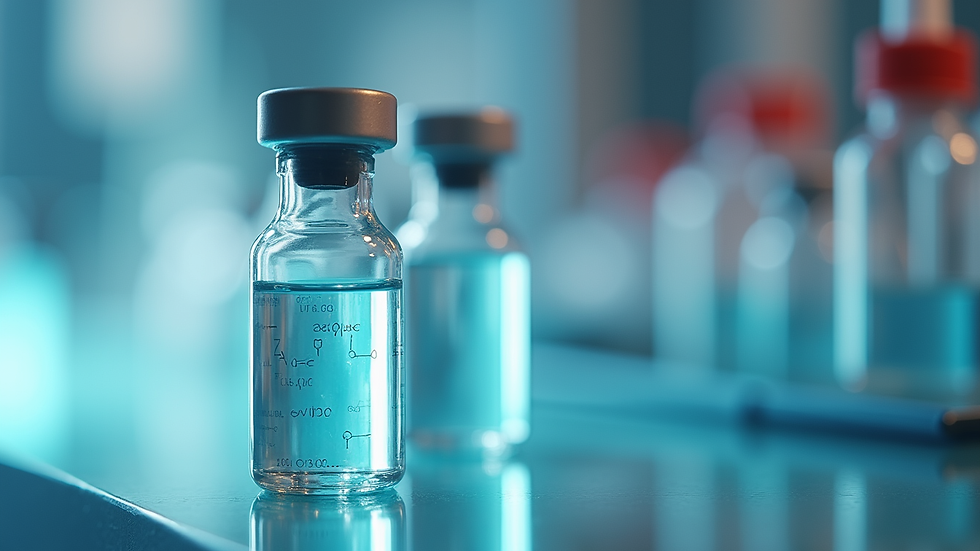
Close-up view of laboratory vial containing peptide solution
How BPC 157 works: Mechanisms behind the research
The exact mechanisms of BPC 157 are still being unraveled, but several key pathways have been identified. One of the primary actions is its influence on the vascular system. By promoting angiogenesis, BPC 157 helps deliver oxygen and nutrients to damaged tissues, accelerating repair.
Additionally, BPC 157 interacts with the nitric oxide (NO) system, which plays a vital role in blood flow regulation and inflammation control. This interaction helps balance inflammatory responses, preventing chronic inflammation that can hinder recovery.
Another important aspect is BPC 157’s neuroprotective properties. Studies indicate it can support nerve cell survival and regeneration, which is particularly valuable in research on nerve injuries and neurodegenerative diseases.
For laboratories, these mechanisms suggest that BPC 157 could be a valuable tool in models of tissue injury, inflammation, and neurological damage. It also encourages further exploration into its potential applications beyond current knowledge.
Practical applications and research models involving BPC 157
In research settings, BPC 157 has been tested in various models, including:
Musculoskeletal injuries: Studies on tendon and ligament healing show faster recovery times and improved tissue strength.
Gastrointestinal disorders: BPC 157 has demonstrated protective effects against ulcers and inflammatory bowel conditions.
Neurological damage: Animal models of nerve injury reveal enhanced nerve regeneration and functional recovery.
Inflammation and oxidative stress: BPC 157 reduces markers of inflammation and oxidative damage in multiple tissues.
These applications provide a foundation for designing experiments that investigate BPC 157’s efficacy and safety. When planning studies, it is essential to consider dosage, administration routes, and appropriate controls to ensure reliable results.
For those interested in acquiring research-grade peptides, it is possible to buy bpc 157 5mg online from reputable suppliers who prioritize quality and transparency.

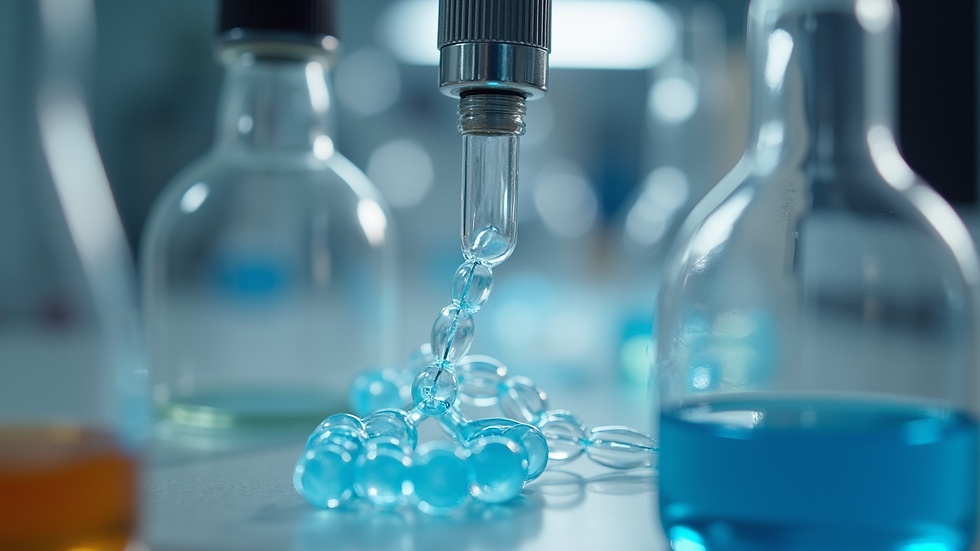
Eye-level view of laboratory bench with scientific equipment and peptide vials
Ensuring quality and reliability in BPC 157 research
One of the critical factors in peptide research is the quality and purity of the compound used. Impurities or inconsistent batches can lead to unreliable data and hinder reproducibility. Therefore, sourcing BPC 157 from trusted suppliers who provide rigorous testing and transparent documentation is vital.
Researchers should look for:
Certificates of analysis (COA) confirming purity and identity.
Stability data ensuring the peptide remains effective during storage.
Clear guidelines on handling and storage conditions.
In addition, maintaining proper experimental protocols, including blinding and randomization, will strengthen the validity of findings involving BPC 157.
Future directions and expanding the research horizon
The current body of research on BPC 157 is promising but still in its early stages. As we continue to explore its potential, several areas warrant further investigation:
Clinical translation: Moving from animal models to human trials to assess safety and efficacy.
Combination therapies: Studying how BPC 157 interacts with other treatments or compounds.
Molecular pathways: Deepening our understanding of the cellular mechanisms involved.
Long-term effects: Evaluating the impact of prolonged use or repeated dosing.
By addressing these questions, the scientific community can unlock new therapeutic possibilities and refine the use of BPC 157 in research and medicine.
Embracing innovation with confidence and care
As we delve deeper into the role of BPC 157 in research, it is essential to approach this peptide with both enthusiasm and caution. Its potential to accelerate healing and protect tissues is exciting, but rigorous scientific methods must guide our exploration.
By prioritizing quality, transparency, and collaboration, we can build a solid foundation for future discoveries. Whether you are designing experiments or developing new applications, BPC 157 offers a valuable avenue for innovation in the life sciences.
Together, we can advance our understanding and harness the power of peptides like BPC 157 to improve health outcomes and scientific knowledge.

Comments